Primary
Our Primary program is thoughtfully divided into two distinct classes—Primary 1 (P1) and Primary 2 (P2)—to support children as they grow from independent individuals into empathetic community members.
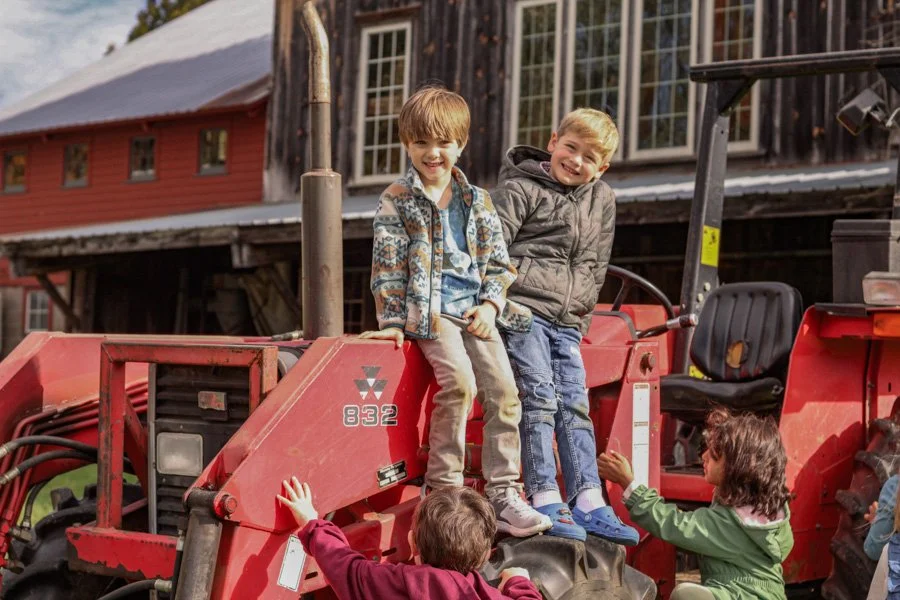
In P1, five- and six-year-olds harness their natural curiosity to master daily routines and take ownership of their belongings, building foundational confidence through personal autonomy. As they transition into P2 (ages 6–8), the focus expands to social and emotional maturity. Through collaborative experiences like Morning Meeting and Farm and Forest Friday, students learn to navigate diverse perspectives and solve problems together. From managing their own gear to practicing deep empathy, these years provide the essential groundwork for our Social Justice curriculum.
Primary Routines
Additional routines that nurture independence and connection include Choice Time, Morning Meeting, and Outdoor Time:
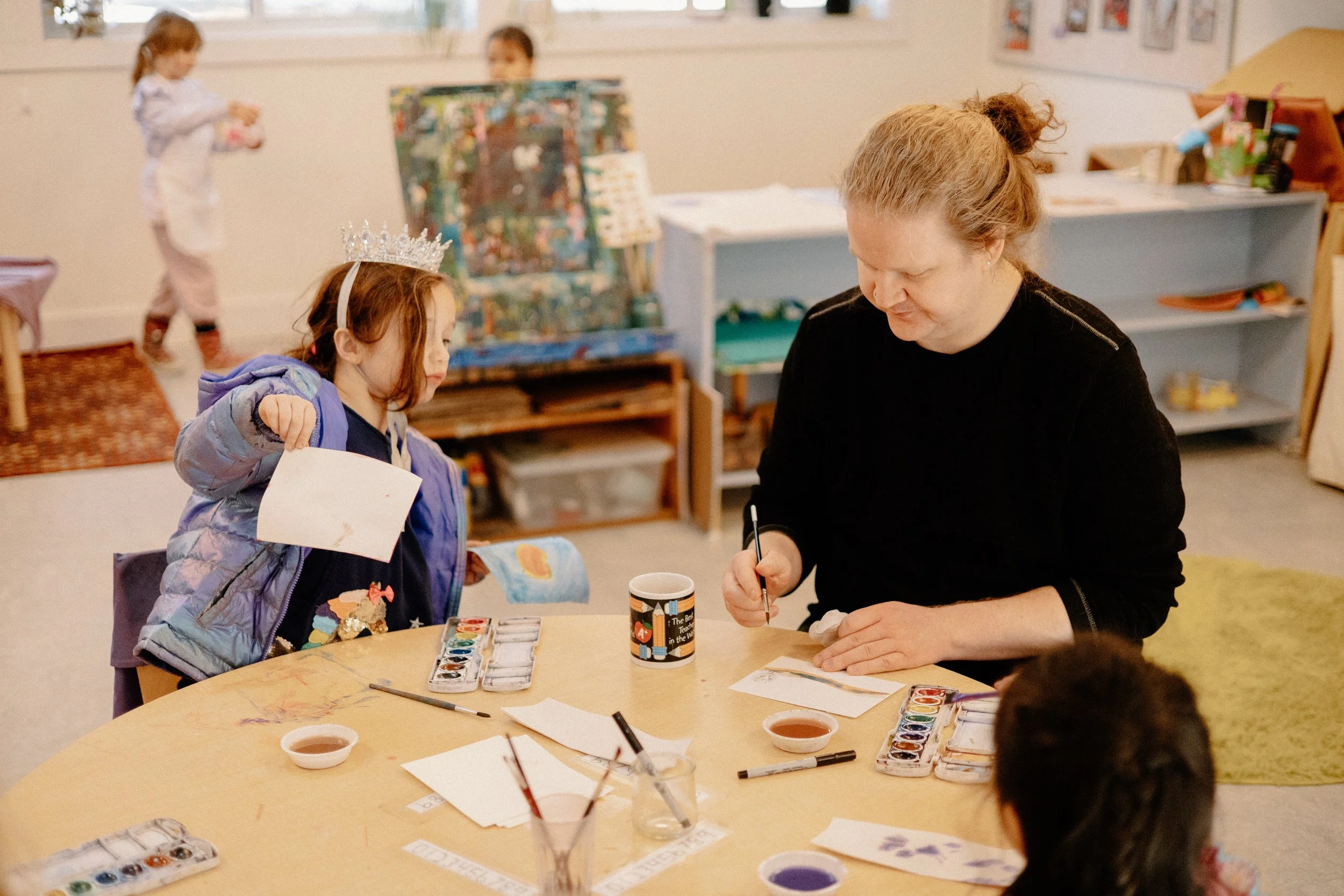
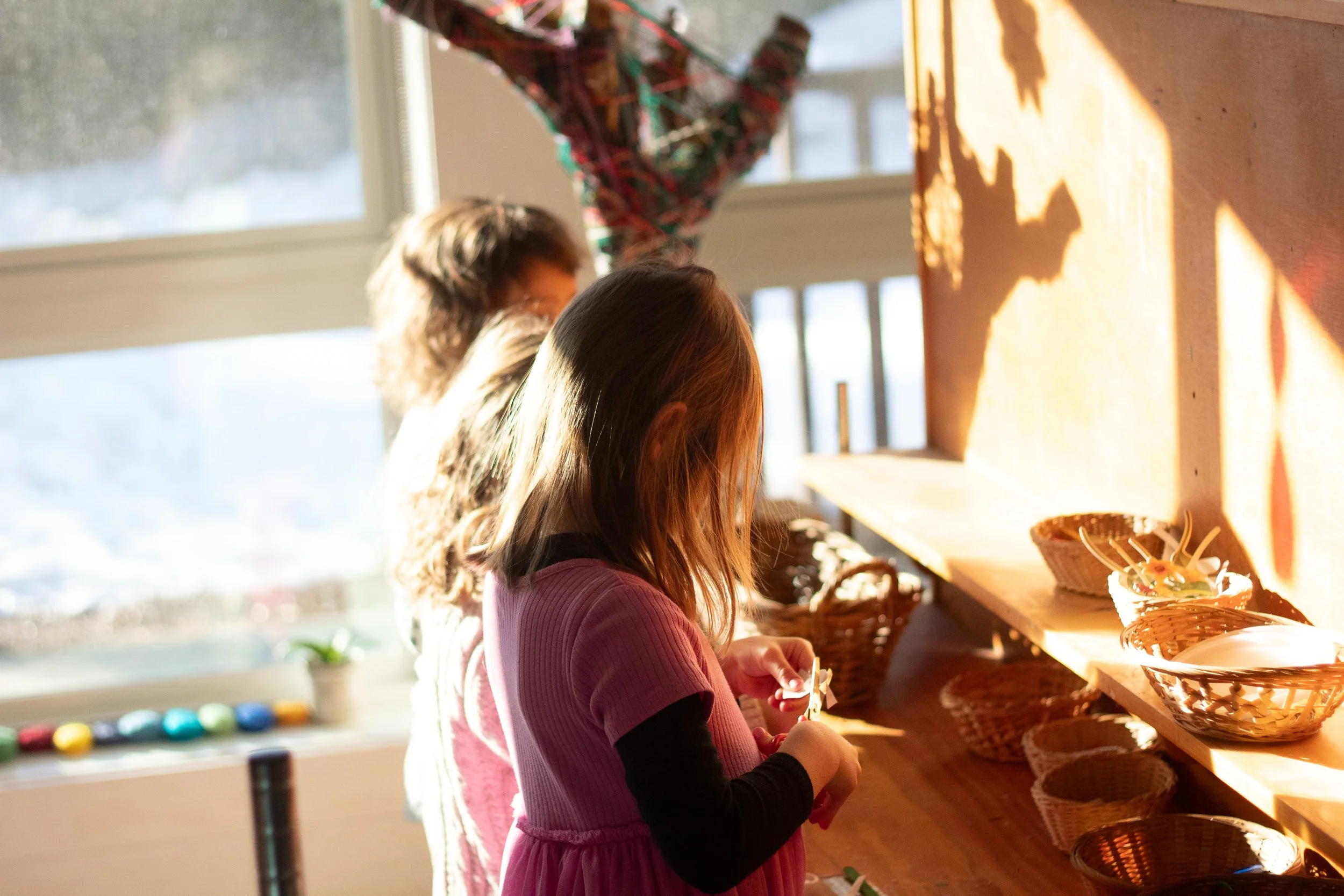
Choice Time is a core element of The Common School experience. It offers students opportunities to engage deeply in play, creation, and exploration based on their interests. They build, create, and use their imaginations to explore materials and themes that evolve throughout the year
Morning Meeting is a time for students to come together, ground themselves in the day, and build a sense of community. We review the schedule, play games, and share experiences. Over time, students take on leadership roles—guiding calendar activities, finding missing letters, and counting the days of school.
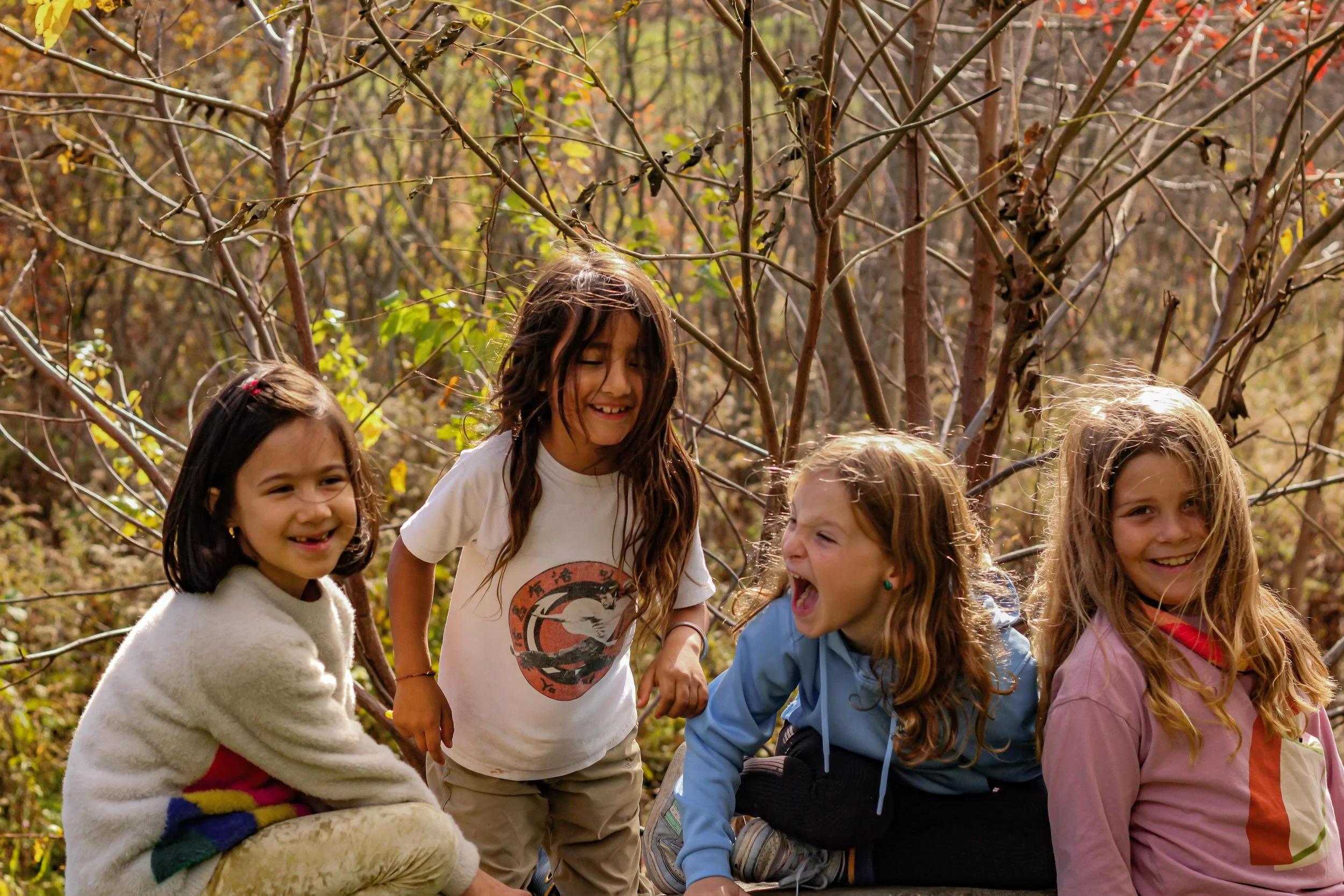
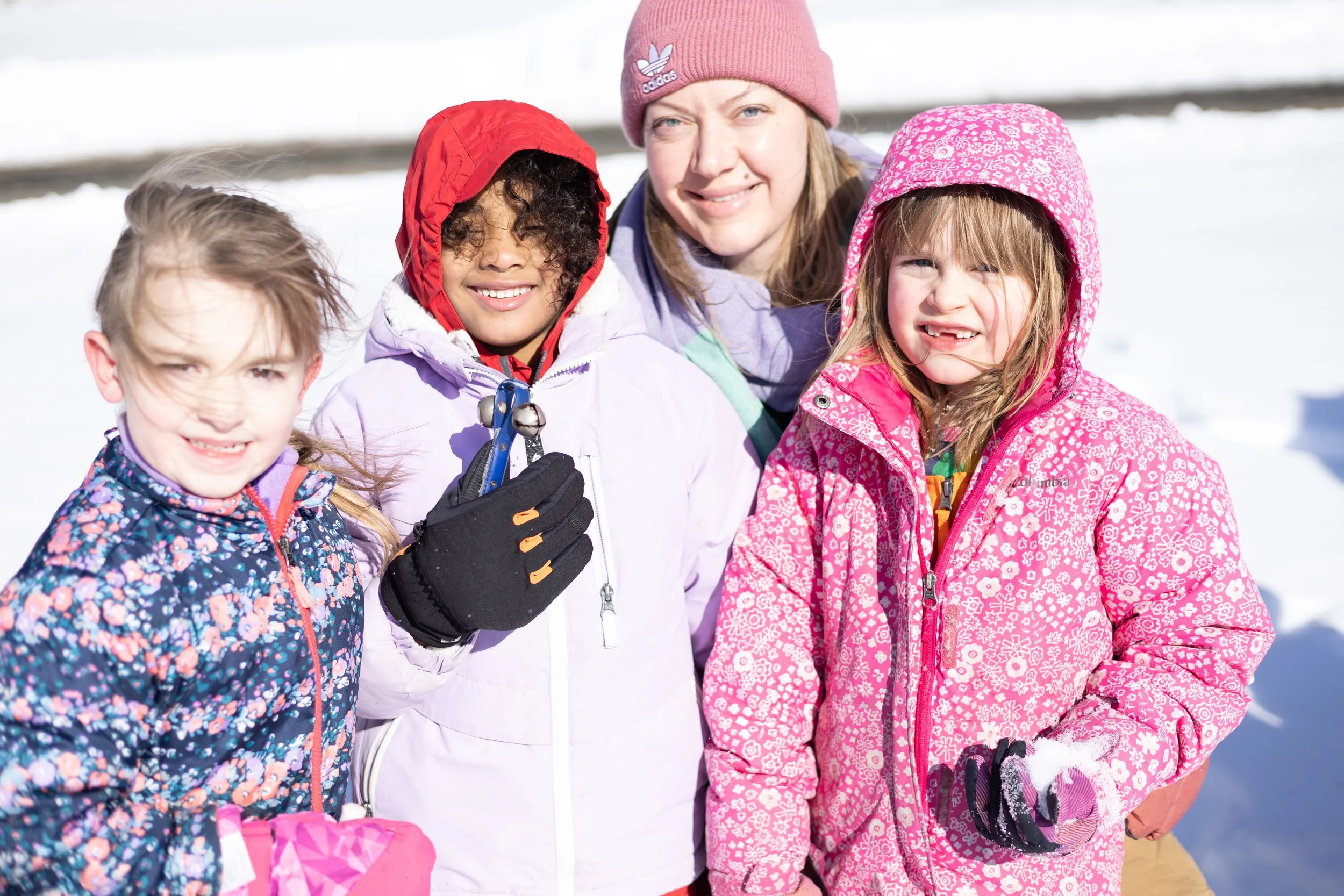
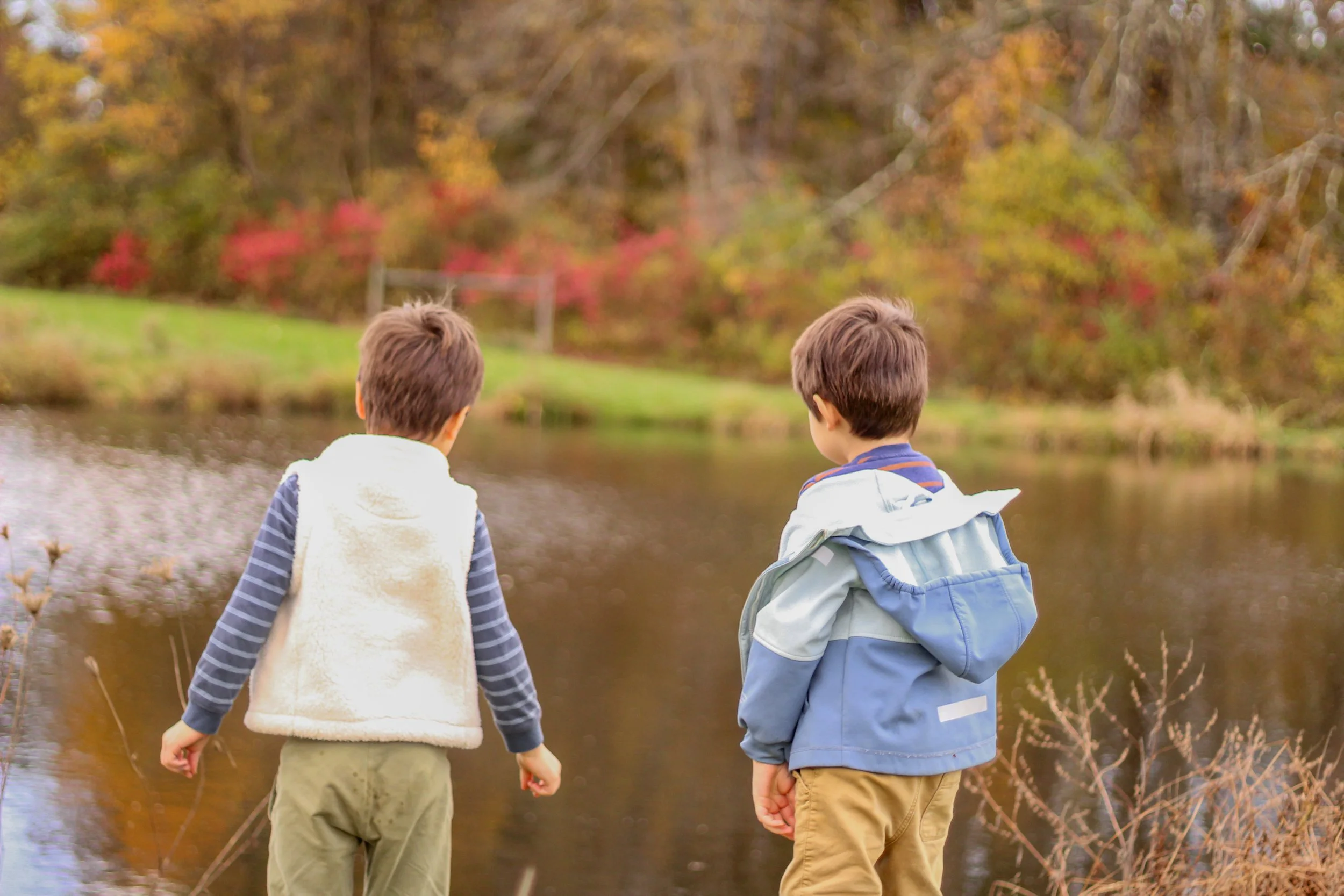
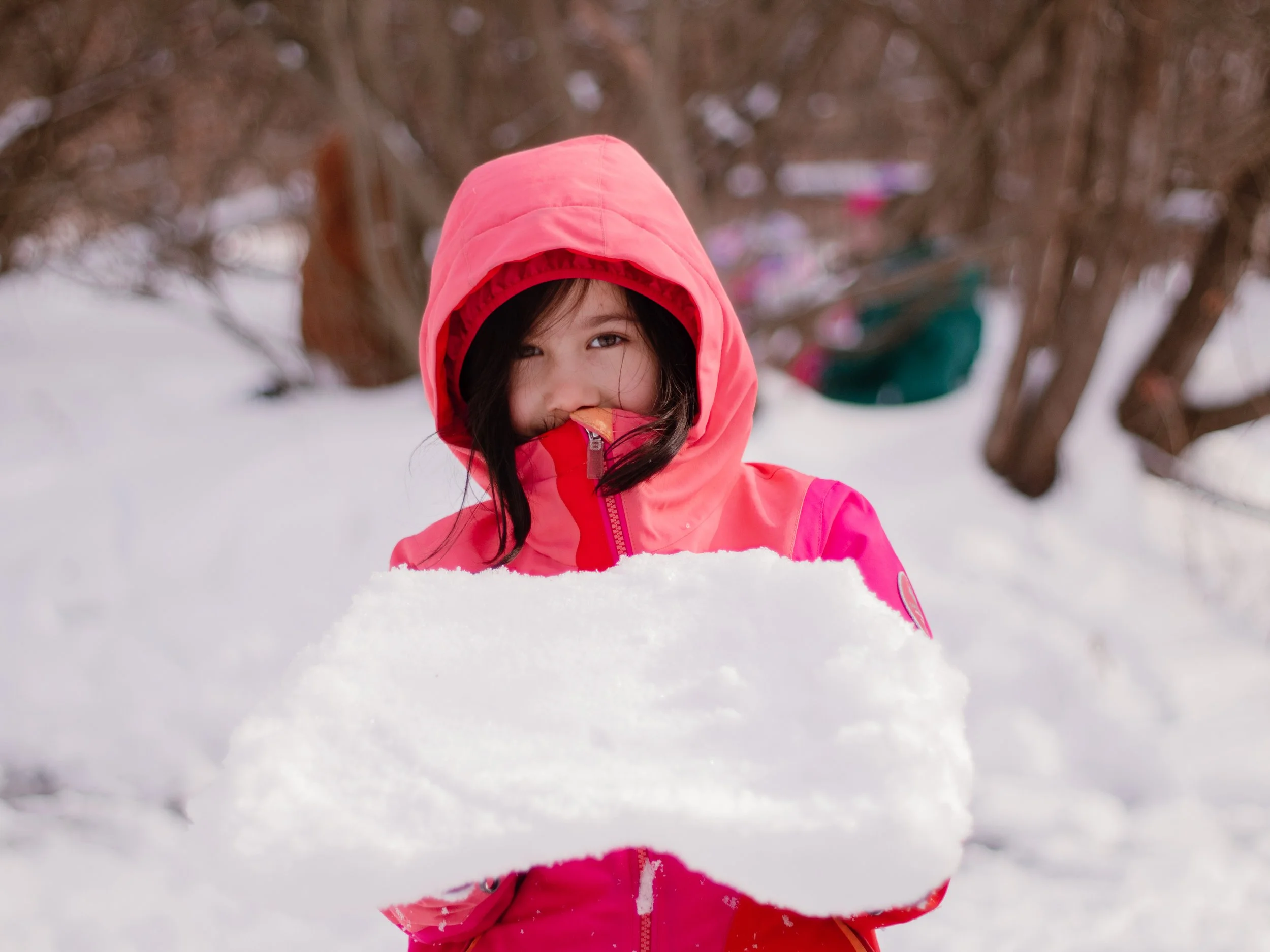
Outdoor Time is abundant in P1. We spend at least two—and often three—periods each day immersed in nature. Like all students in the Early Childhood Wing, P1 students go outside in all weather, supported by school-issued rain suits and boots. Our yard, the farm, and the forest serve as our favorite playscapes for exploring and learning about the natural world.
In-Depth Studies
We believe that play is the work of childhood, and we support students in engaging deeply in inquiry-based, child-centered learning across all subject areas.
Our In-Depth Study (IDS) curriculum allows us to explore topics that are meaningful to students, relevant to the world around them, and foster a culture of curiosity and care. Past IDS themes have included Spring, Birds, Snakes, Life Cycles, Community Helpers, Identity, and Circus. Each topic is approached through a social justice lens to help students think critically about their world and their role in it.
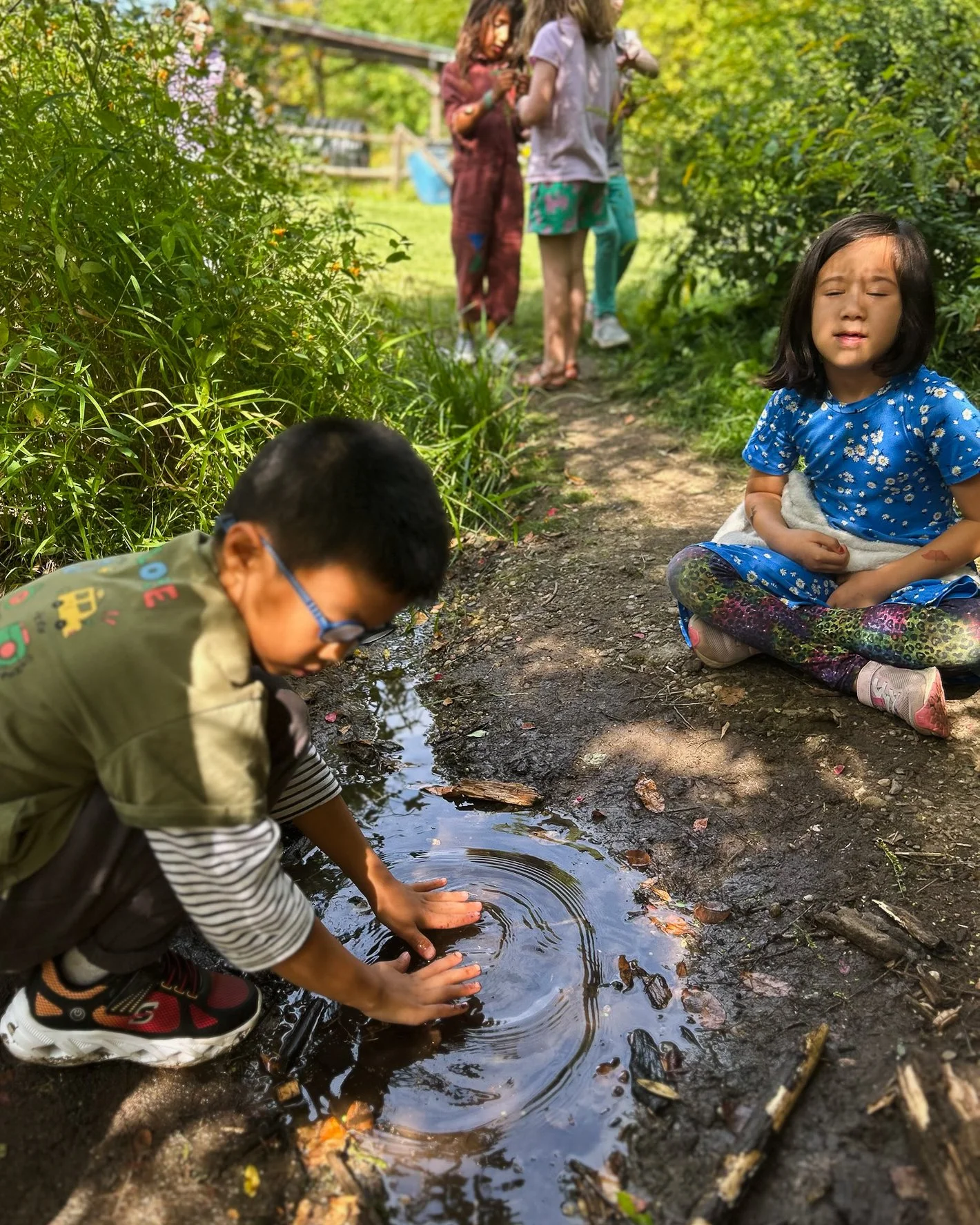
We also integrate nature into every IDS topic, using the outdoor environment as an essential space for learning, discovery, and connection.
Literacy and Math
At The Common School, we believe that all children can develop a love of reading, writing, and math through meaningful experiences and structured instruction grounded in the science of reading and aligned with Common Core math standards.
In P1, literacy and math are taught through a mix of whole group, small group, and integrated experiences. These include read-alouds, alphabet exploration, writing prompts, independent reading, emergent literacy activities, math centers, games, and project-based work. We use the UFLI curriculum for literacy and Eureka Squared for math as the foundational frameworks of our program, supplemented by a variety of resources that enrich and deepen student learning.
In P2, topics covered for students in their first and second years are as follows:
First Year
Counting, comparison, and addition
Addition and subtraction relationships
Properties of operations to make easier problems (strategic problem-solving)
Comparison and composition of length measurements
Place value concepts to compare, add, and subtract
Attributes of shapes
Advancing place value, addition, and subtraction
Second Year
Place value concepts through metric measurement and data
Place value, counting, and comparing within 1,000
Addition and subtraction within 200
Shapes and time with fraction concepts
Addition and subtraction within 1,000
Money, data, and customary measurement
Multiplication and division foundations
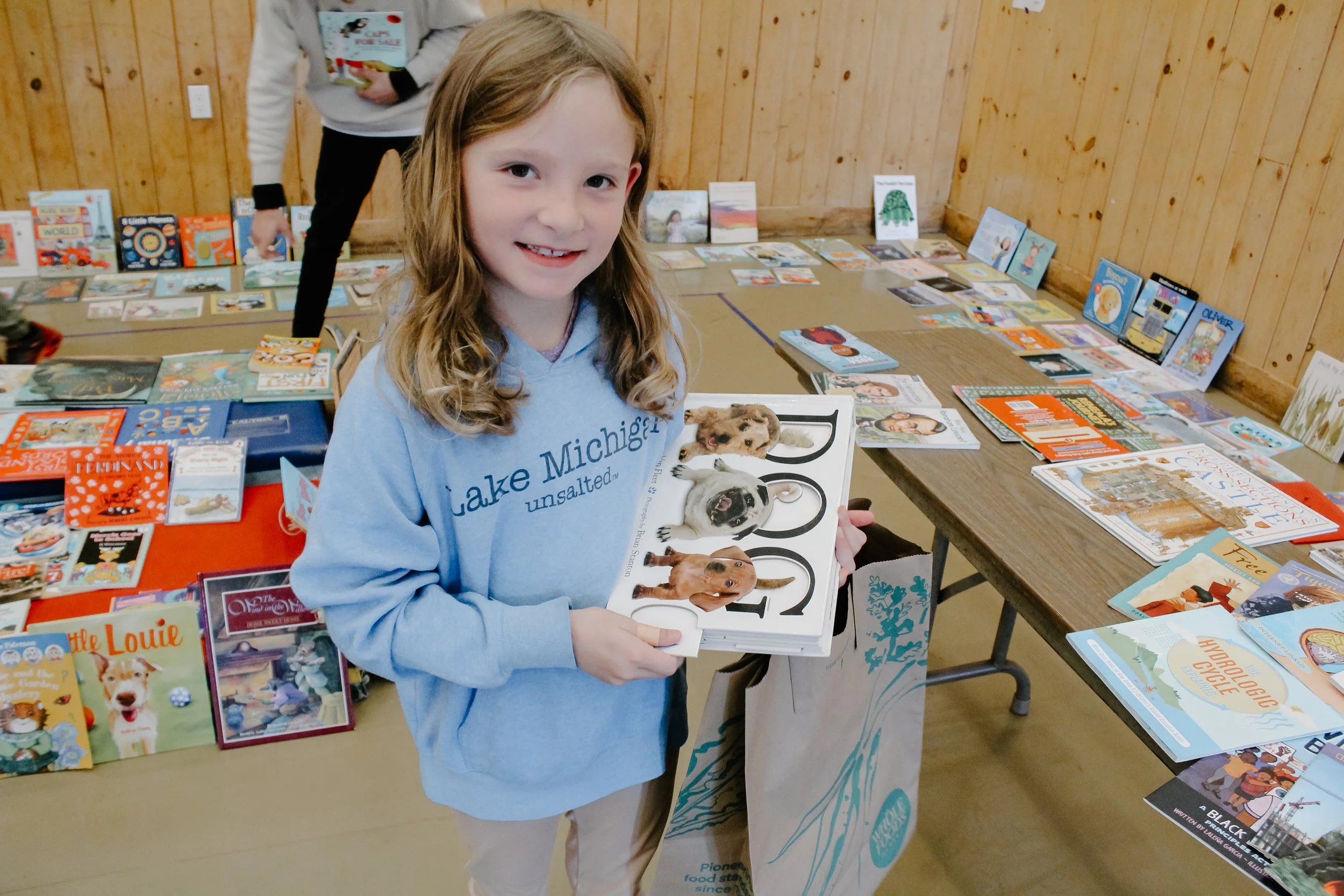
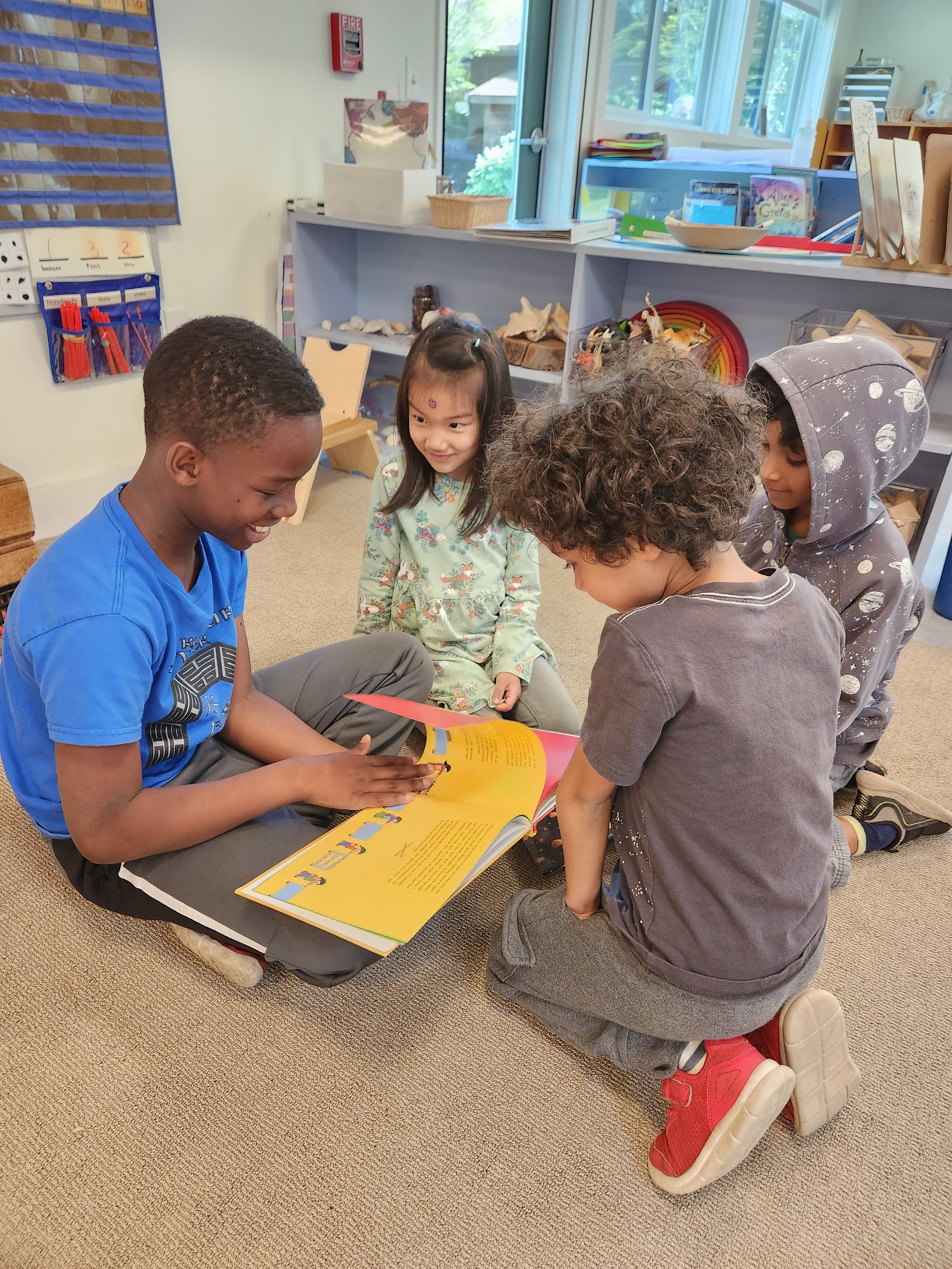
Peek into a Primary classroom on any given day and you’ll find:
A classroom environment that supports developing social skills and where sharing, negotiating, taking turns, and solving problems together are all part of the process.
Students embracing independent learning through skill-building activities, portfolio reflection, and by managing their own project choices and materials.
Interdisciplinary lessons that incorporate movement, dance, drama, and art making.
Primary Curriculum Highlights